
How Tropical Climates Shape Your Skin and Hair
- Alin - Pearl Naturelle

- Jul 17
- 4 min read
There is a tendency to think about beauty only when something feels different.
Skin feels dry, so we search for something more nourishing. Hair feels rough after time spent in the ocean, so we look for something restorative. A change appears, and naturally, we look for a solution. But living on an island slowly changes the way beauty is understood. The environment becomes impossible to ignore.
Humidity changes the way products feel on the skin. Sun exposure becomes part of everyday life, not just something experienced during holidays. Sea salt remains in the hair long after leaving the water.
These things are subtle. They happen gradually. They are easy to overlook.
image source: canva
The beauty industry often moves quickly. New ingredients appear, new trends emerge, and new products are constantly introduced with promises of doing more. But thoughtful formulation requires a different approach.
Before creating something, there has to be an understanding of why it should exist in the first place.
A formula is not simply a combination of carefully selected ingredients. It is a response to a specific need, a particular environment, and the everyday experiences of the people who will use it. A product can be created anywhere, but understanding where it belongs takes time. It requires noticing small details that are often overlooked.
When Environment Becomes Part of the Formula
The more time we spend observing island living, the more we notice that beauty is shaped by context. A product does not exist in isolation. It becomes part of someone's morning before the day begins, part of a routine after swimming, part of a quiet evening after hours spent outdoors.
✓ How can care be designed around the rhythms of island life instead of asking people to change their habits around a product?
✓ What makes a formula feel effortless when it becomes part of a routine that moves between land, water, and sunlight?
These are the questions that guide thoughtful formulation. Not simply what a product can do, but where it belongs, how it will be used, and why it deserves a place in someone's daily ritual.
In tropical and island climates, these influences become especially noticeable.

Humidity 💧
For example, affects more than how a product feels when applied. The skin barrier naturally regulates water movement through a process known as transepidermal water loss (TEWL). When environmental humidity changes, the way skin maintains moisture balance can also change, influencing how comfortable, hydrated, or balanced the skin feels.
image source: canva
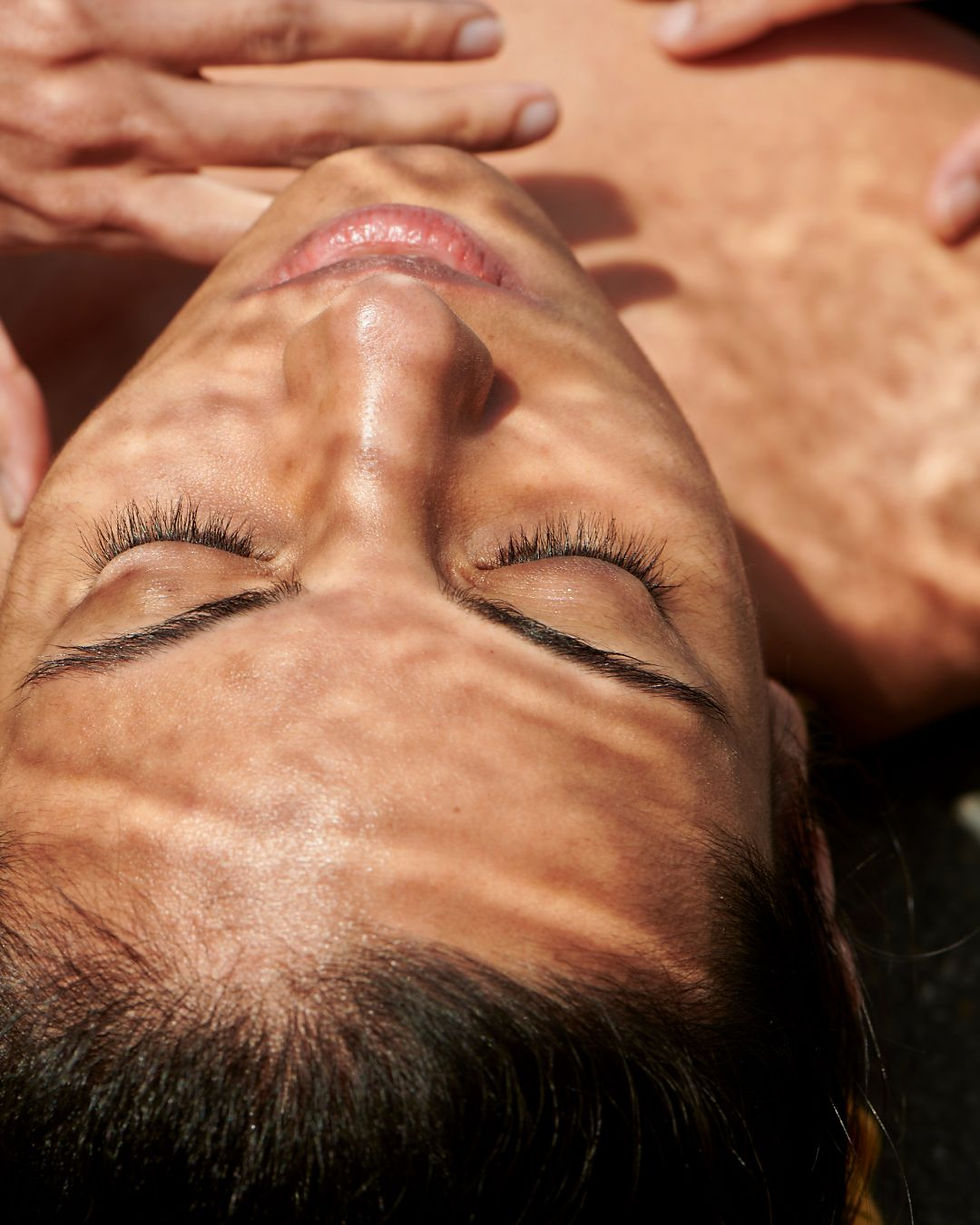
Sun exposure ☀
Tells another story. While sunlight is an essential part of life, repeated exposure creates oxidative stress within the skin. Over time, environmental stressors can influence the skin's natural renewal processes and contribute to visible changes in texture, tone, and resilience.
image source: canva
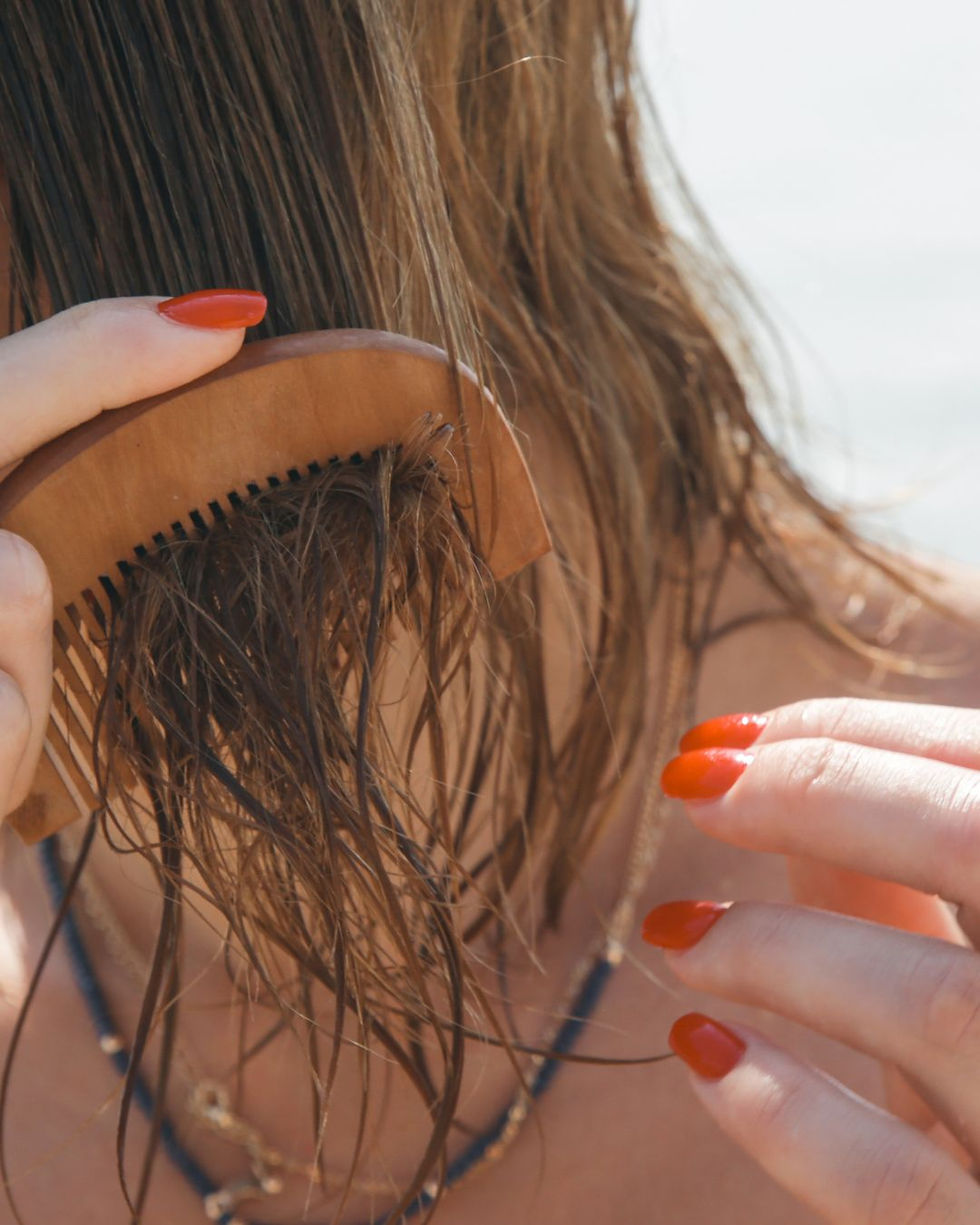
Hair & Salt Water 🌊
Responds differently but faces its own relationship with the environment. The hair fiber is naturally porous, meaning it can absorb and release moisture depending on surrounding conditions. Salt water, heat, humidity, and frequent exposure to the elements can influence the way hair feels, behaves, and retains softness.
image source: canva
Where Understanding Becomes Formulation
Creating a product for island living requires considering variables that influence how a formula performs in daily use: climate, humidity, temperature, sun exposure, lifestyle patterns, and the way people naturally apply and experience beauty products.
We consider its function, compatibility with other components, stability, sensory profile, and relevance to the environment the product is designed for.
This is why formulation requires testing and refinement.
Adjusting one element can influence the entire product, from texture and absorption to how the skin feels after application.
What We Do Differently
We study the relationship between climate, skin behavior, hair condition, and everyday rituals before making formulation decisions. From there, we evaluate ingredients based on their purpose within the formula, not simply because they are popular or trending.
For every formulation, several factors are being considered before selecting ingredients and defining the final product direction:
Climate conditions
Understanding the environment the product is created for, including humidity, temperature, sun exposure, and lifestyle factors that influence how skin and hair respond over time.
Skin and hair behavior
Evaluating how environmental conditions affect moisture balance, texture, comfort, sensitivity, and the overall needs of skin and hair.
Purpose of the formulation
Defining the role a product should serve within an island beauty routine—whether supporting hydration, maintaining balance, restoring comfort after environmental exposure, or caring for hair affected by daily elements.
Ingredient functionality
Selecting ingredients based on their role within the complete formula, considering their properties, compatibility, stability, and contribution to overall performance rather than following trends.
Texture and sensory experience
Developing formulas that feel appropriate for warm, humid environments, with attention to absorption, application, layering, and comfort throughout the day.
Real-life application
Considering how a product fits into everyday routines, including when it is used, how frequently it is applied, and whether the experience encourages consistent use.
Testing and refinement
Reviewing and adjusting each formula through a process of evaluation and refinement, ensuring that every component works together effectively before becoming part of a final product.
image source: canva
Each component is considered carefully: how it supports the formula, how it works alongside other ingredients, how stable it remains, and how it contributes to the overall experience.
From the first formulation stage to final refinement, every adjustment has a reason.
A change in texture can influence how comfortable a product feels in humid conditions. A different ingredient balance can affect absorption, application, and how consistently someone wants to use it. "Small details matter because daily beauty routines are built through repeated experiences".
This approach allows us to create products that are designed with a specific environment in mind, rather than creating formulas first and expecting people to adapt their routines around them.


Comments